In This Article
Updated October 31, 2026 · Evidence-informed and reviewed against the sources below.
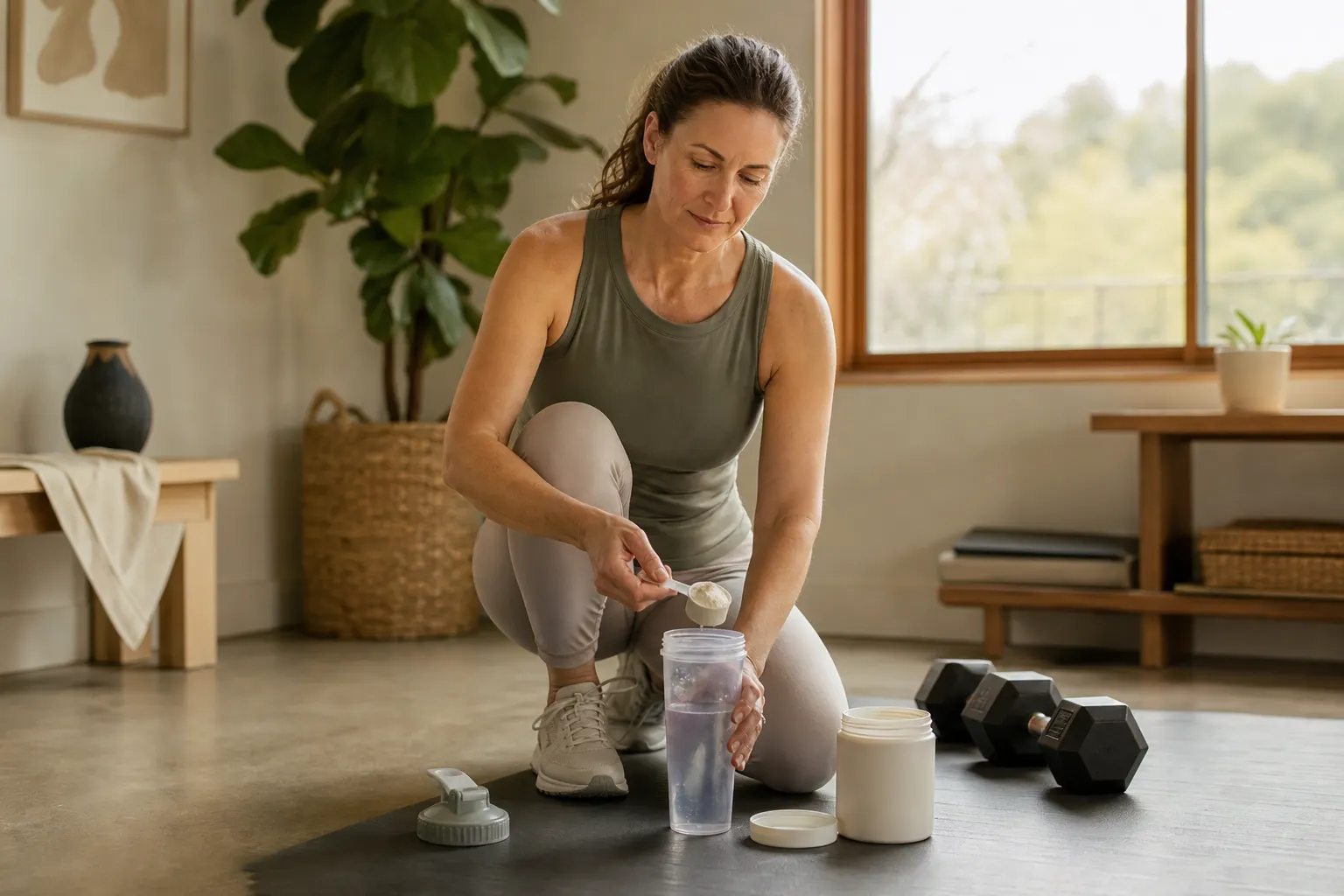
Creatine has stepped out of the gym-bro corner of the internet and into conversations between women about strength, energy, and getting older. If you’ve seen it in a smoothie video or heard a friend mention it, you might be wondering: is this something I should be taking?
Let’s take a breath, sis. Creatine is one of the most studied sports supplements, but “well studied” doesn’t mean it’s right for everyone, or that every promise on social media has been proven. Here’s the kind, no-pressure version of what we know.
Why creatine is having a moment
Wellness conversations are putting more attention on women’s strength and long-term health, alongside appearance and quick fixes. The Global Wellness Summit’s 2026 trends report highlights women-focused longevity as a growing area. Creatine fits into that conversation because it has a practical role in short, intense activity like lifting weights, and researchers are studying how it may support strength as women age.
Creatine is also something your body already makes and stores, mostly in muscle. Food such as meat and seafood contains it too. A supplement is simply one way to raise those stores; it isn’t a secret ingredient your body is missing.
What the research says (and doesn’t)
The clearest use is alongside resistance training. A 2026 systematic review looked at seven randomized trials involving 608 postmenopausal women. It found small gains in lean mass and leg-press strength in the studies where creatine was paired with resistance training. The review did not find an overall improvement in bone density, and the authors noted that more research is needed.
That’s encouraging, but it’s not a promise for every woman. The studies focused on postmenopausal women, and they don’t tell us that creatine will improve mood, clear brain fog, change hormones, or replace strength training. A 2025 review of creatine research in women describes these as areas where evidence is still developing, especially for perimenopause. Those questions deserve a careful “maybe,” not a confident sales pitch.
Creatine is most relevant to repeated short bursts of effort, like a set of lifting; it is less likely to help with endurance exercise. And it doesn’t work in isolation. Your practice, gradual progress, food, and recovery are doing real work too. Creatine can be an add-on to a training routine, not a replacement for one. The NIH notes that some people experience water-related weight gain or stomach upset. It’s helpful to know that in advance, especially if a change on the scale could feel unsettling.
So the honest headline is smaller than the hype: creatine may be a useful add-on for some people doing strength training. It is not a shortcut, a requirement, or a whole-body wellness solution.
A gentle way to think about it
If you’re curious, start with your “why.” Are you hoping to support a strength routine you already enjoy? Or are you feeling pressure to buy one more thing to fix your body? That second feeling deserves compassion, not another checkout screen.
There’s no need to rush into a supplement. Regular movement, enough food, rest, and support from people who care about you are meaningful foundations. If you do decide to ask about creatine, bring the question to a doctor or registered dietitian who knows your health history. That matters especially if you have a medical condition, take medication, are pregnant, or are breastfeeding.
For anyone who gets the green light, creatine monohydrate is the form with the most research behind it. More expensive blends aren’t automatically better. Supplement labels aren’t a substitute for personal guidance, so keep your choices simple and ask questions when something sounds too good to be true.
You don’t need to earn your strength
Trends can open a helpful conversation, and this one may lead more women to strength training and better questions about their health. We can welcome that without turning a supplement into a test of how seriously we care for ourselves.
Your body is worthy of care before the powder, after the powder, and if you never take it at all. Choose what feels informed and kind to you. And if today all you do is take a short walk or rest without guilt, that counts too. I’m cheering for you, sister.
Sources
- Global Wellness Summit. 2026 Wellness Trends: Women Get Their Own Lane in Longevity.
- National Institutes of Health, Office of Dietary Supplements. Dietary Supplements for Exercise and Athletic Performance.
- Johannsmeyer et al. (2026). Creatine monohydrate for lean mass, strength, and bone density in postmenopausal women: a systematic review and meta-analysis.
- Smith-Ryan et al. (2025). Creatine in women’s health: bridging the gap from menstruation through pregnancy to menopause.
This article is for general information only and is not medical advice, diagnosis, or treatment. Supplements may not be right for everyone. Talk with a qualified healthcare professional about your own circumstances before starting a supplement.
Ready to start your glow era?
Grab your copy of Glow Era by Prudence Nteo and begin your own journey back to yourself.
Read the Book